Where a straight boom fits the work
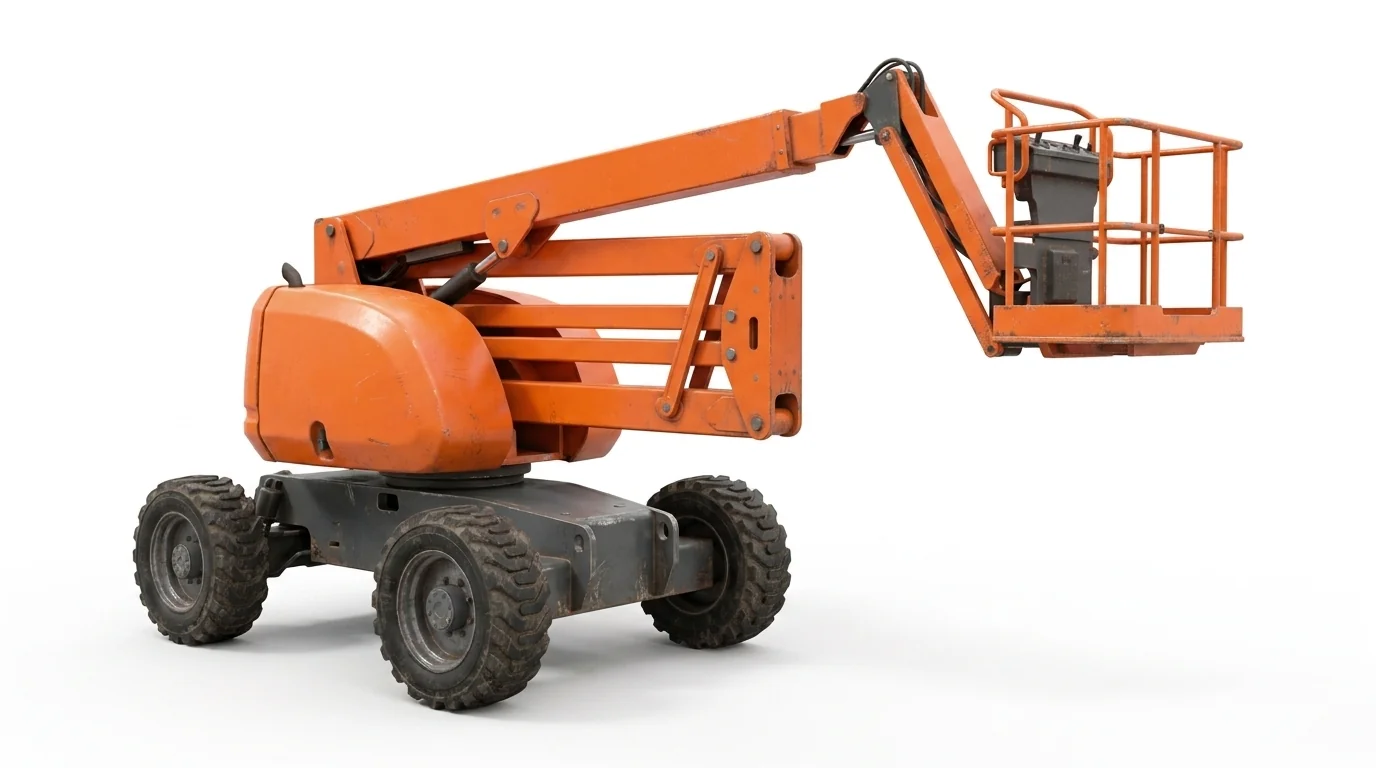
A telescopic boom is well-suited to: - Long exterior reaches to building faces, elevated utilities, or lighting where nothing blocks the path. - Industrial sites with wide set-backs from paved lanes to the work point. - Commissioning work at large installations where consistent outreach speeds progress across repetitive bays.
If ducts, conveyors, or parapets stand in the way, consider /articulating-boom-lift-rental/ instead.
Cedar Rapids conditions to factor
- Winter cold can reduce battery performance and slow hydraulics outdoors. Plan around equipment rated for low temperatures.
- Humid summers and river-adjacent soils can leave top layers soft. Rough-terrain capability, appropriate tires, and adequate ground clearance help manage unimproved areas.
- Wind exposure on open sites affects stability limits; check the selected unit’s instructions for permitted conditions and platform restrictions.
Reach and access measurements
- Horizontal outreach: measure the setback from the machine’s likely parking spot to the work face.
- Vertical clearance: confirm the highest working point and any overhead lines along the boom’s path.
- Machine footprint: verify width, tail swing, and turning radius against access roads, gates, and staging pads.
- Surface rating: ensure the ground or slab supports the point loads at full extension.
Related options
- For obstacle-heavy routes, see /articulating-boom-lift-rental/.
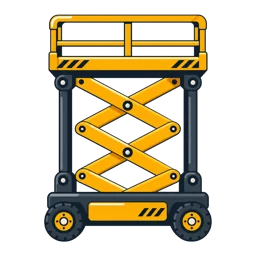
- For slab-only vertical access with larger platforms, see /electric-scissor-lift-rental/.
- For rough-terrain platform work without long outreach, see /rough-terrain-scissor-lift-rental/.
Decision recap
Choose a telescopic boom when the job geometry is a straight, unobstructed line to the work. In Cedar Rapids, cold winters, humid summers, and variable ground conditions drive the choice of power, tires, and site setup. Actual conditions, the selected unit’s instructions, and site procedures govern elevated work.