Define the operating zone
- Indoors on finished slabs: electric counterbalance or narrow-aisle options reduce emissions and noise, important for hygiene-sensitive environments.
- Mixed indoor/outdoor: pneumatic-tire internal combustion or high-capacity electrics handle dock transitions and light yard work.
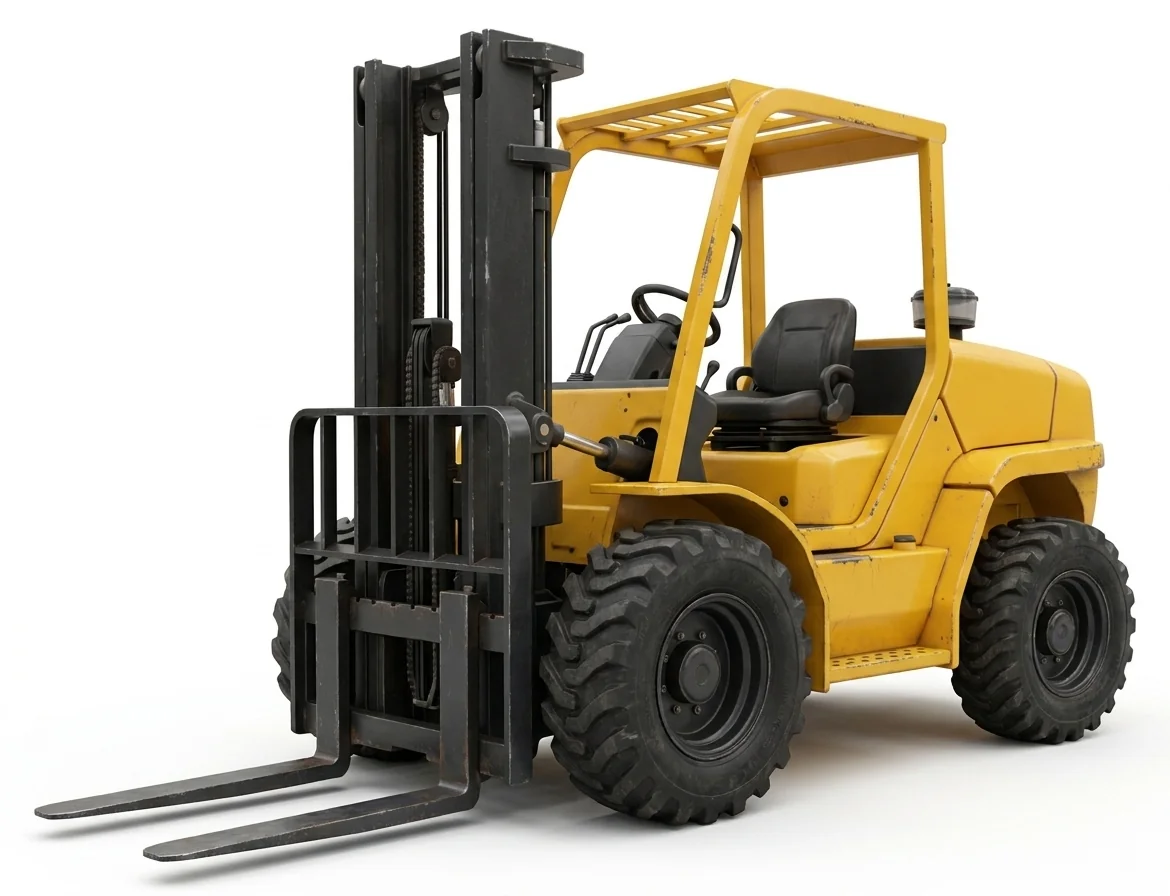
- Outdoor yards: pneumatic-tire forklifts with adequate ground clearance manage gravel and uneven surfaces.
Local factors that influence selection
- Winter cold can affect battery performance; indoor charging access and temperature control support consistent runtime for electrics.
- Summer humidity and occasional soft ground near industrial sites push toward pneumatic tires for traction on exterior aprons.
- Sanitation requirements inside processing areas favor electric power, fluid containment, and non-marking tires.
Dimensions, loads, and aisle planning
- Load dimensions and center of gravity determine required capacity at lift height.
- Aisle width, turning radius, and mast type (two-stage vs. three-stage) control rack access and door clearance.
- Overhead obstructions such as ducts or sprinklers may set a lower collapsed mast height requirement.
Related categories
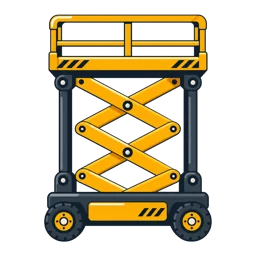
- For elevated personnel access, consider /vertical-mast-lift-rental/ for tight interiors or /electric-scissor-lift-rental/ for larger platforms.
- For rough outdoor placement at height, see /telehandler-rental/.
Decision recap
Choose a forklift by matching surface type, aisle constraints, and load profile. In Cedar Rapids, plan for winter battery performance, summer traction on exterior aprons, and interior hygiene needs. Actual site conditions and equipment instructions govern load handling and travel limits.