Fit the container to the route and pad
Before size, confirm the approach. A straight, level route with turning room controls whether a standard or shorter container can be placed. Freeze–thaw and summer humidity can soften unpaved laydown; plan for a firm, level pad so doors stay square and forklifts don’t sink at the threshold.
- Measure gate width, turning radius, and overhead clearances.
- Identify utilities, drains, or culverts under the set-down area.
- Note whether door swing conflicts with site fencing or staging racks.
Match interior configuration to the task
Industrial work around Cedar Rapids ranges from clean indoor maintenance to outdoor installation phases. Choose door configuration and security level based on what moves in and out.
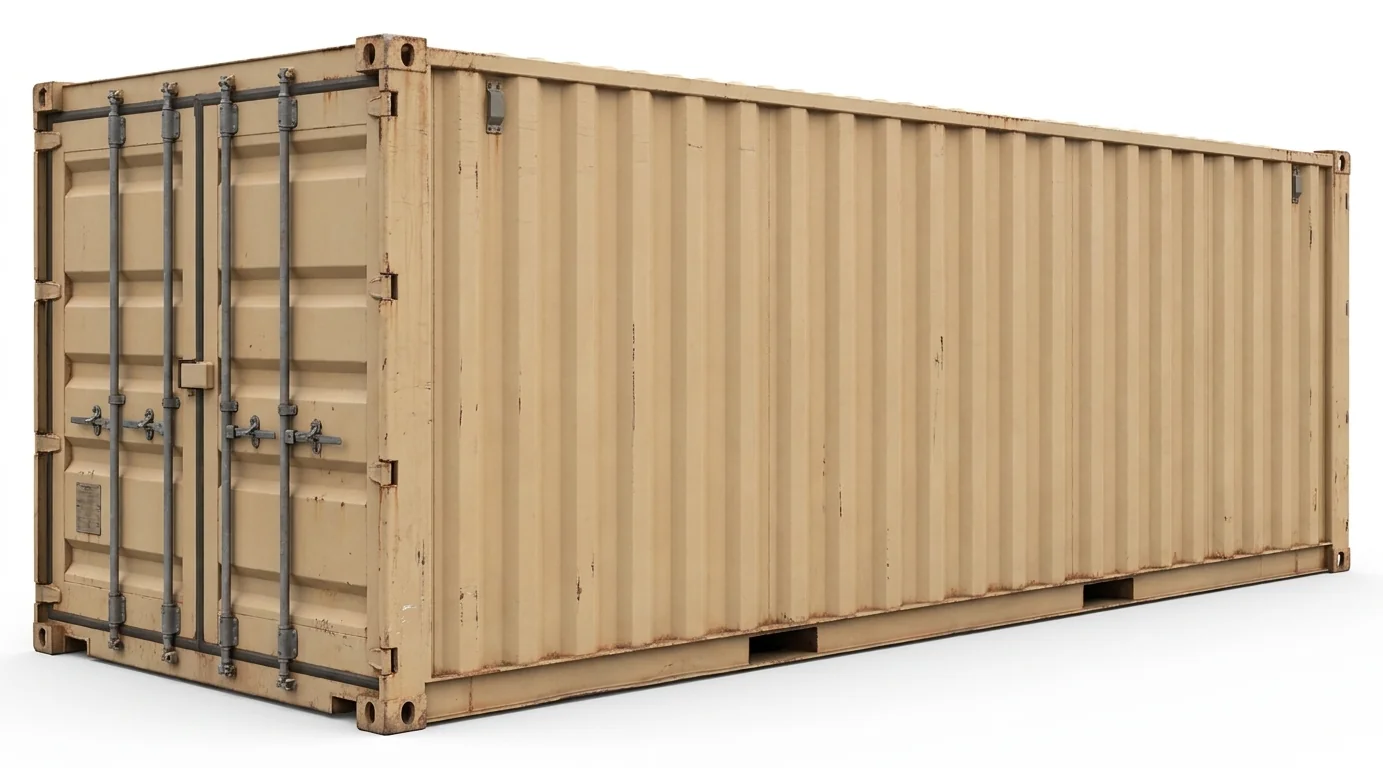
- Double-door units help with pallet flow and fast picking for high-turn items.
- For sensitive components used in technical buildouts, consider insulated or climate-mitigated storage if condensation risks product quality; local humidity and temperature swings can create moisture inside standard steel boxes.
- Add racking or partitions only where site procedures allow; keep aisles clear for safe retrieval.
Surface and snow considerations
Winter storms can block doors and freeze thresholds. Position containers where plows can clear without burying access. A slight elevation on a firm base keeps doors from binding after thaws and helps drainage away from entry points.
Integrating with site logistics
Containers compete with lifts, telehandlers, and deliveries for ground space. Place them along the edge of traffic lanes used by /telehandler-rental/ or /forklift-rental/ so material flow stays efficient. For projects that stage aerial equipment, keep container doors oriented away from the swing path of /boom-lift-rental/ units and scissor lifts to reduce blind corners.
What to confirm before you call
- Container length and door type
- Access route dimensions and overhead limits
- Ground conditions and pad plan
- Proximity to work area and snow removal path
- Any humidity or temperature sensitivities of stored items